Water & Food
Pantry Rotation Made Simple: An Emergency Food Supply You'll Actually Eat
The most useful emergency food is food your household already likes. Here is how to build a deeper pantry gradually, keep it organized and use it before it goes stale.
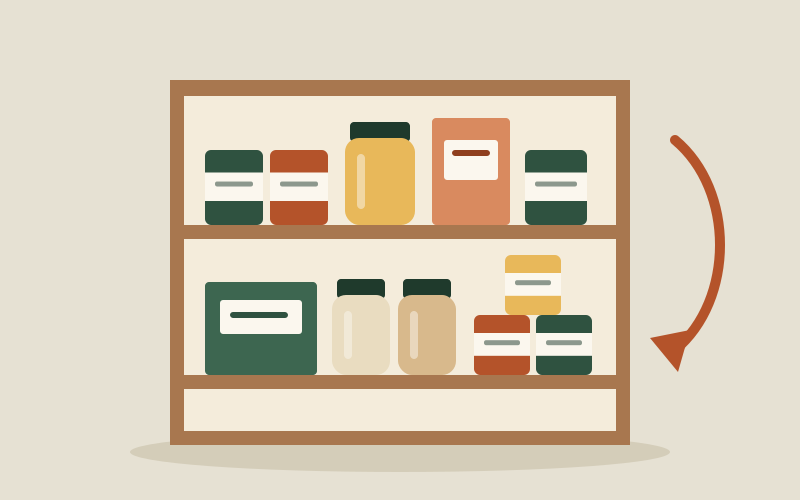
An emergency food supply does not have to be a stack of unfamiliar boxes in the garage. For most households, the practical approach is a slightly deeper version of the pantry you already keep: foods you know how to prepare, that your family enjoys, and that you use often enough to keep them moving.
Home organizers often sum this up as "store what you eat, eat what you store." It cuts waste, keeps food fresher, and means the supply earns its place on an ordinary weeknight as well as during a winter storm or a long power outage.
Decide what your pantry needs to cover
Ready.gov's basic supply list includes at least a several-day supply of non-perishable food, and many households aim for two weeks at home. Before buying anything, think about what your supply needs to do:
- Feed everyone without power. Include foods that need no cooking, refrigeration or much water, in case the stove and refrigerator are out.
- Cover special diets. Allergies, medical diets, infant formula and baby food need their own plan. Do not count on finding substitutes later.
- Stay familiar. A stressful day is a poor time to discover that nobody will eat a particular meal.
- Include pets. Keep extra pet food in rotation alongside your own.
Foods that work well in a deeper pantry
Shelf-stable staples that store well and are easy to use include:
- Canned vegetables, fruits, beans, soups and stews
- Canned or pouched tuna, salmon and chicken
- Peanut butter or other nut and seed butters
- Crackers, whole-grain cereals and granola
- Dried fruit, nuts and trail mix
- Rice, pasta, oats and dried beans for times when cooking is possible
- Shelf-stable milk or plant-based milk in sealed cartons
- Small comforts, such as tea, coffee, cocoa or a favorite snack
Ready-to-eat foods deserve extra shelf space, because they work even when cooking is not an option. Keep a manual can opener with the supply. It is one of the most commonly forgotten items in home emergency pantries.
Build it gradually, not all at once
There is no need to fill a shelf in one shopping trip. A steady, low-pressure method suits most budgets better:
- Pick five to ten items your household eats every week.
- Each time you shop, buy one or two extra of a few of those items.
- Place the extras at the back of the shelf.
- Repeat until you reach your target number of days.
Buying a little more of what is already on your list spreads the cost over time and avoids the waste of foods that sit unused. Store-brand staples work just as well as anything else for this purpose, and buying on sale when you can makes the process easier still.
Set up a rotation system
Rotation is what keeps a food supply from turning into a shelf of forgotten cans. The principle is simple: first in, first out.
- New items go in the back. When you unpack groceries, slide older items forward and put new ones behind them.
- Mark dates where you can see them. Write the month and year on the top or front of cans and boxes with a marker, especially when printed dates are tiny or on the bottom.
- Group by type. Keep beans with beans and soups with soups so it is obvious when a category runs low.
- Keep a simple inventory. A sheet taped inside the pantry door, or a note on your phone, listing each item and a target count makes restocking quick.
Some families hold a monthly "pantry night" when dinner comes from the oldest items on the shelf. It keeps things moving and offers a low-stakes chance to try your no-cook options before you ever need them.
Understand date labels and package condition
Date labels can be confusing. According to USDA guidance, a "best if used by" date on most shelf-stable foods describes peak quality rather than safety. Properly stored food past that date may lose some flavor or texture before it becomes a safety concern. Infant formula is an important exception and should be used by its date.
Package condition matters more than many people realize. The USDA advises discarding cans that are bulging, leaking, rusted or deeply dented, especially along the seams, and any can that spurts liquid when opened. When in doubt, throw it out.
Store food where it will last
Where you keep food has a big effect on how long it holds its quality. Aim for:
- A cool, dry spot away from the stove, dishwasher, furnace and sunny windows
- Containers that keep out moisture and pests, such as sealed bins or jars for opened dry goods
- Shelves off the floor, in case of a leak or minor flooding
- A layout where everyone in the household can find things quickly
If your kitchen is small, a closet shelf, the space under a bed or a few sturdy bins can hold the overflow. Keep the rotation habit going wherever the food ends up.
Plan for meals without power
If the power is out for a while, your options depend on your equipment and on using it safely. Never use a grill, camp stove or other fuel-burning cooking device indoors or in a garage, because of the risk of carbon monoxide and fire. Treat foods that need no cooking at all as your baseline plan, and think of any safe outdoor cooking as a bonus.
It also helps to sketch a few simple no-cook meals in advance: crackers with peanut butter and fruit cups, canned beans and corn with a squeeze of lemon, cereal with shelf-stable milk, or tuna with crackers and dried fruit. A short written menu taped inside the pantry door makes an outage evening feel a lot less improvised.
This article offers general preparedness information and is not professional advice. Always follow the instructions of local officials during an emergency. Spotted an error? Email support@preparedamerican.net. Read our editorial standards.