Kits & Supplies
The Grab-and-Go Document File: What to Copy and Where to Keep It
After a fire, flood or quick evacuation, missing paperwork can slow everything down. One organized file of copies makes the next steps far easier.
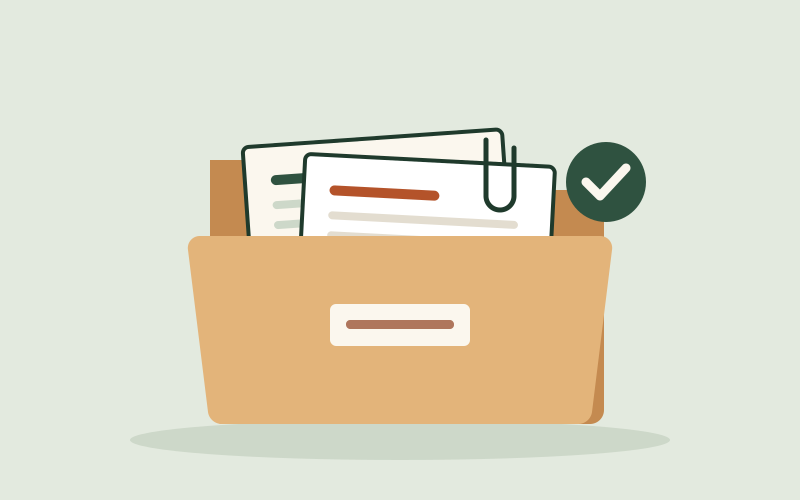
When people picture emergency preparedness, they imagine water, food and flashlights. Paperwork rarely comes to mind. Yet after a house fire, a flood or a sudden evacuation, the documents that show who you are, what you own and what coverage you have become important very quickly.
A grab-and-go document file is a single, organized collection of copies of your key records, kept somewhere you can reach in seconds. It takes an afternoon to assemble and a few minutes a year to maintain.
Why a document file matters
After a disaster, you may need to contact insurance companies, confirm your identity, refill prescriptions, enroll children in a temporary school, or show where you live. Having copies on hand makes those tasks smoother, especially if your originals are damaged or out of reach. It also spares you from trying to recall policy numbers and phone numbers on a difficult day.
What to include
Ready.gov and many local emergency management offices recommend gathering copies of important records. A thorough file usually covers five areas. You do not need everything on day one. Start with IDs, insurance, medical information and your contact list, then fill in the rest.
Identity
- Driver's licenses or state ID cards
- Passports
- Birth and marriage certificates
- Social Security cards (copies only, kept especially secure)
Home and property
- Deed, mortgage statement or lease
- Homeowners or renters insurance policy, including the declarations page
- Vehicle titles, registrations and auto insurance cards
- A household inventory, such as photos or video of each room
Health
- Health insurance cards for each person
- A list of medications, doses, allergies and medical conditions
- Names and numbers of doctors, pharmacies and specialists
- Immunization records, especially for children
Accounts
- Customer service numbers for your bank, card issuers and other account providers
- Account numbers only if you are comfortable storing them securely, and never passwords or PINs
Family and legal
- An emergency contact list, including an out-of-area contact
- Wills, powers of attorney and guardianship papers, or a note of where the originals are kept
- Pet vaccination records and microchip numbers
- Recent photos of each family member and pet, which can help if anyone is separated
Originals or copies?
For most items, your grab file should hold copies. Keep originals somewhere secure, such as a fire- and water-resistant home safe or a bank safe deposit box. Some documents, such as a will, may need to be reachable by family members, so ask the professional who prepared them where the original is best kept.
Add a short note to your grab file listing where each original lives. That single page can save hours later.
Choose the right container
The ideal container is waterproof, easy to lift and easy to recognize. Common choices include:
- A zippered waterproof document pouch
- An accordion folder sealed inside a heavy-duty zip-top bag
- A small, portable fire- and water-resistant document box
Label it clearly, keep it with or near your 72-hour kit, and make sure another adult in the household knows where it is.
Add a digital backup
A paper file can be lost along with everything else, so a digital copy makes a sensible second layer. Scan or photograph each document and store the files somewhere secure, such as an encrypted USB drive kept in the grab file, or a reputable cloud storage account protected with a strong, unique password and two-step verification.
Because these files contain sensitive personal information, treat them with care. Avoid emailing unencrypted copies to yourself, and never save them on a shared or public computer.
Keep your copies secure
A folder full of identity documents is valuable to you and potentially to anyone who might misuse it. Store your grab file out of plain sight, keep it closed, and avoid leaving it in a parked car. If it is ever lost or stolen, contact the agencies and institutions that issued the documents to ask about next steps.
Make your household inventory now
A home inventory is one of the most useful parts of a document file, and one of the most often skipped. Walk through each room with your phone and record a slow video, opening closets and drawers and describing what you see. Photograph the serial numbers of major appliances and electronics, and save receipts for larger purchases when you have them.
If you ever need to file an insurance claim, this record can help you remember and describe what you had. Update it once a year or after a significant purchase.
Review it once a year
Set an annual reminder to update the file. Replace expired insurance cards and IDs, update medication lists, add new family members or pets, and refresh your contact list. The start of the year works well, since many policies and cards renew around then.
Tell the right people it exists
A document file only helps if someone can find it. Show at least one other adult in your household where it is kept and what is inside. If you live alone, consider telling a trusted relative or friend where your file and any home safe are located, and how to reach you or your out-of-area contact. You do not need to share sensitive details, only enough for someone to help if you are away, injured or simply overwhelmed.
If you help an older parent or relative, offer to build a file for them as well. Many people appreciate the help, and it means someone in the family knows where their key information lives.
This article offers general preparedness information and is not professional advice. Always follow the instructions of local officials during an emergency. Spotted an error? Email support@preparedamerican.net. Read our editorial standards.