Kits & Supplies
Building a 72-Hour Kit Around the People in Your Home
A useful go-bag starts with a standard list and then gets personal. What to pack, how to fit it to children, older relatives and medical needs, and how to keep it current.
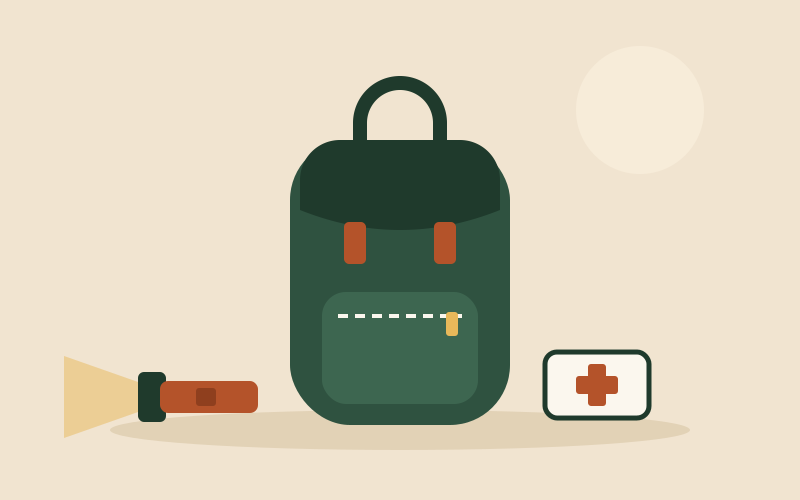
A 72-hour kit, often called a go-bag, is a set of supplies packed in advance so your household can manage for about three days if you need to leave home quickly or if everyday services are interrupted. Three days is a common planning target because restoring services, or reaching every neighborhood after a large event, can take time.
Ready-made kits are widely available, but the most useful kit is one you assemble or adapt around the actual people in your home. This guide covers the basics, the personal items that matter most, and how to keep everything in working order.
Start with the standard list
FEMA's Ready.gov publishes a basic emergency supply list that makes a solid foundation. Adapted for a portable kit, it includes:
- Water, about one gallon per person per day
- Non-perishable food that needs little or no preparation
- A battery-powered or hand-crank radio, ideally one that receives NOAA Weather Radio alerts
- A flashlight and extra batteries
- A basic first aid kit
- A whistle to signal for help
- Dust masks, plastic sheeting and duct tape
- Moist towelettes, garbage bags and plastic ties for sanitation
- A wrench or pliers to turn off utilities
- A manual can opener
- Local maps on paper
- A cell phone with a charger and a backup battery
Ready.gov also suggests considering prescription medications, glasses or contact lens supplies, infant formula and diapers, pet food, cash, copies of important documents, a sleeping bag or warm blanket for each person, a change of clothes and sturdy shoes, matches in a waterproof container, personal hygiene items, paper and pencil, and books or games for children.
Three days of water for several people is heavy. Many households keep most of their water at home and pack a smaller amount in the bag, along with clean bottles that can be refilled.
Make it personal
This is the step that turns a generic kit into a genuinely useful one. Walk through each member of your household and ask what they would need for an ordinary three days away from home.
Babies and young children. Formula, bottles, diapers, wipes, a change of clothes or two, and a familiar comfort item. Children also settle more easily with a simple activity, such as a coloring book or a deck of cards.
Older relatives. If you help look after a parent or grandparent, include a written list of their medications and doses, copies of their insurance cards, spare glasses, hearing aid batteries and any mobility aids they rely on. Write the names and numbers of their doctor and pharmacy on paper. If they live on their own, help them build a kit sized for their needs and agree on who will check on them during an emergency.
Medical needs. Ask your doctor or pharmacist how to keep a short backup supply of essential medications and what to do with any that need refrigeration. If someone depends on powered medical equipment, plan for backup power and pack chargers and spare batteries.
Accessibility. Pack extra batteries for hearing aids and mobility devices, and consider a printed card that explains how best to communicate with or assist the person.
Choose a container you can actually move
The right container is one you can lift and move quickly. Good options include:
- A sturdy backpack for each adult, which keeps hands free
- A rolling duffel or bin for heavier shared supplies
- Small pouches inside the bag to keep categories organized, such as first aid, hygiene and documents
Label the bag clearly and store it near an exit, such as a hall closet or beside the door to the garage. Everyone in the home should know where it is.
Build smaller kits for work and the car
Emergencies do not always find you at home. A smaller version of your kit at work and in the car can bridge the gap until you reach your main supplies.
- At work: water, snacks, a flashlight, a phone charger, any daily medications and comfortable walking shoes.
- In the car: water, snacks, a flashlight, a first aid kit, jumper cables, a blanket, a phone charger and seasonal extras such as an ice scraper or sunscreen.
Keep the kit current
A kit that is packed and forgotten slowly becomes less useful. Food and water reach their dates, batteries lose their charge, children outgrow their clothes and prescriptions change. Ready.gov suggests reviewing your kit about every six months.
On review day:
- Replace expired food, water and medications.
- Test the flashlight and radio, and swap batteries if needed.
- Update clothing sizes and seasonal layers.
- Refresh cash, document copies and the contact list.
- Ask each family member whether anything is missing.
Pairing the review with another twice-a-year task, such as testing smoke alarms or changing the clocks, helps it become routine.
Do not let the list overwhelm you
It is easy to look at a long supply list and decide the project is too big. You do not need to finish in a weekend. Start with water, a flashlight, a radio, first aid basics and any essential medications. Add food the following week and personal items after that. A partly finished kit is still far more useful than none at all.
It can also help to involve the whole household. Ask each person to pack their own clothing pouch and choose one comfort item. People are more likely to remember where the kit is, and what is inside it, when they helped put it together.
This article offers general preparedness information and is not professional advice. Always follow the instructions of local officials during an emergency. Spotted an error? Email support@preparedamerican.net. Read our editorial standards.