Family Plans
Your Family Emergency Communication Plan, Step by Step
Phone lines get busy and families end up in different places. A short written plan, an out-of-area contact and a weather radio help everyone stay connected.
On an ordinary day, keeping in touch with family takes no thought at all. During an emergency, it can get complicated quickly. Networks may be congested, the power may be out, and family members may be at work, at school or on the road. A family communication plan answers the questions that matter most before you need the answers: How will we reach each other? Where will we meet? Who will we call?
Writing a plan takes about an hour. Here is how to do it, one step at a time.
Step 1: Gather everyone's information
Start by collecting the basics for each member of your household:
- Cell, work and home phone numbers
- Email addresses
- Workplace addresses and school or child care locations
- Medical information responders might need, such as allergies or conditions
Next, look up the emergency plans for the places your family spends time. Schools, child care centers and many workplaces have procedures for evacuations and for reuniting children with parents. Learn what they are, and make sure the contact details they have on file are current.
Step 2: Choose an out-of-area contact
Ready.gov recommends choosing a friend or relative who lives outside your area to serve as a central contact. During a local emergency, it may be easier to reach someone far away than someone across town, because local networks can be overwhelmed.
Each family member checks in with the out-of-area contact, who can then pass along updates. Make sure that person agrees to the role and has everyone's numbers.
Step 3: Agree on meeting places
Choose specific places where family members will meet if you cannot get home or cannot reach each other:
- Right outside your home: a neighbor's mailbox or a tree at the end of the driveway, for sudden events like a house fire.
- In your neighborhood: a library, community center or place of worship, in case you cannot return home.
- Out of town: a relative's home or another familiar place, in case you need to leave the area.
For each location, write down the address and how to get there.
Step 4: Put it on paper
Phones are wonderful until the battery runs out. Write the plan on a small card for each person, including the out-of-area contact, key phone numbers and meeting places. Keep copies in wallets, school backpacks, the car and your emergency kit.
Children should practice reading their card, and young children can memorize at least one family phone number. Add an "ICE" (in case of emergency) entry to each phone's contacts, and learn how to set up emergency contacts and medical details so they can be viewed from the lock screen.
Step 5: Set up alerts
Getting accurate information early is one of the most valuable parts of any plan. Several free sources work well together:
- Wireless Emergency Alerts. Most phones receive these government alerts automatically. Check your phone's settings to confirm they are turned on.
- Local alert systems. Many counties and cities offer free text or email alerts. Look on your county's emergency management website.
- NOAA Weather Radio. The National Weather Service broadcasts continuous weather information and warnings around the clock over a nationwide network of radio transmitters.
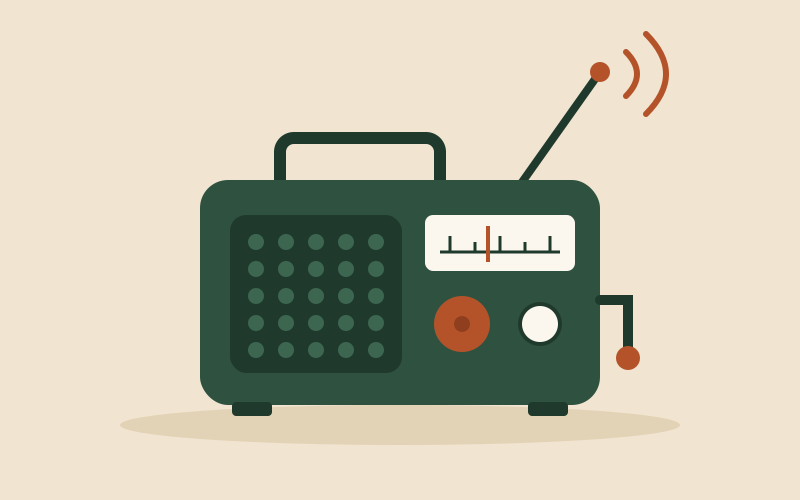
A weather radio deserves a place in most homes. Choose one that runs on batteries or a hand crank so it keeps working during an outage. Many models support SAME (Specific Area Message Encoding), which lets you program your county so the radio sounds an alert only for warnings that affect your area. Keep it somewhere you will hear it at night, such as a hallway or bedroom.
Step 6: Plan how you will communicate
During an emergency, a few habits make it more likely that your messages get through:
- Text first. Ready.gov notes that text messages often get through when phone calls cannot, and texting uses less battery.
- Keep calls short. That frees the network for others and for emergency calls.
- Save battery. Lower screen brightness, close apps you are not using and keep a charged backup battery in your kit.
- Post a quick check-in. A brief social media update letting people know you are safe can save dozens of calls.
- Call 911 only for emergencies. Use non-emergency numbers or your utility's outage line for other questions.
Step 7: Practice and update
A plan works best when everyone has tried it at least once. Hold a short family meeting, walk together to your near-home meeting spot, and have each person send a text to the out-of-area contact. Ready.gov suggests reviewing your plan regularly and updating it whenever phone numbers, schools or jobs change.
Include the people who might be left out
Think beyond the people who live under your roof. An older parent who lives nearby, a neighbor who lives alone, or a relative with a disability may benefit from being part of your plan. Share your card with them, ask how they prefer to be contacted, and agree on who will check on whom. A plan that connects a few households is often stronger than one that covers just one.
This article offers general preparedness information and is not professional advice. Always follow the instructions of local officials during an emergency. Spotted an error? Email support@preparedamerican.net. Read our editorial standards.